Lufthansa to Cancel 20,000 Flights Through 2026 to Cut Aviation Fuel Costs
The airline plans extensive flight cancellations and fleet adjustments to reduce fuel consumption amid rising energy costs and geopolitical tensions.
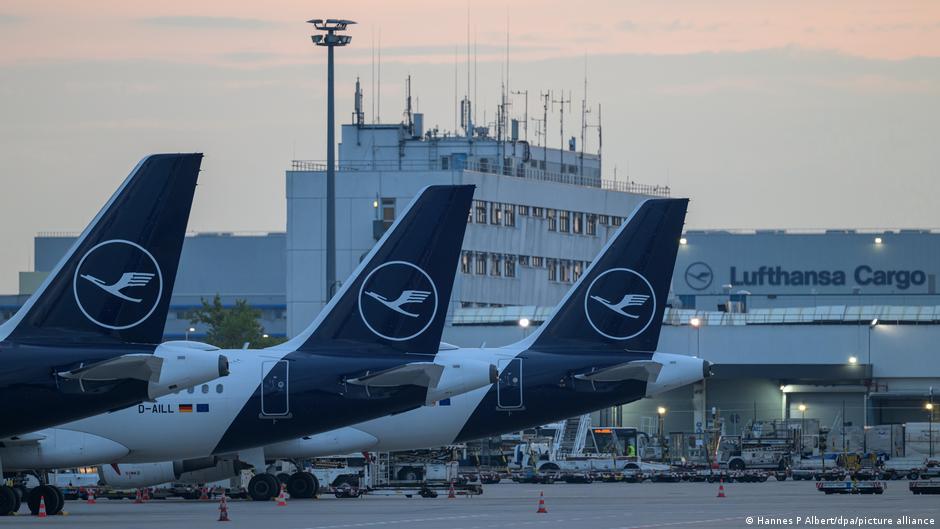
Facing soaring energy costs and geopolitical instability in the Middle East, Lufthansa is implementing a significant strategic adjustment aimed at reducing its aviation fuel consumption. The German flag carrier announced it will cancel approximately 20,000 flights scheduled from June to October 2026, targeting fuel savings of over 40,000 tonnes.
Strategic Measures to Enhance Operational Efficiency
The cancellations form part of Lufthansa's broader corporate strategy to optimize its route network and fleet management in response to the ongoing energy crisis exacerbated by conflicts in the Middle East. The airline projects that these reductions will shrink its available seat-kilometers, a key efficiency metric measuring available seats multiplied by kilometers flown, by less than one percentage point—demonstrating a carefully calibrated approach to maintain operational capacity while achieving cost savings.
Lufthansa will primarily eliminate unprofitable short- and medium-haul routes from its hubs in Frankfurt and Munich. Concurrently, the company plans to expand service from secondary hubs including Zurich, Vienna, and Brussels, as well as its sixth hub in Rome, aiming to preserve network connectivity and market presence despite the cuts.
The specific flight cancellations for the June to October period will be disclosed by the end of April, though the airline has already begun canceling flights planned through May 31. Earlier in April, Lufthansa suspended 120 daily flights, including routes from Frankfurt to Polish cities Bydgoszcz and Rzeszow, and to Stavanger in Norway.
"By strategically trimming less profitable routes and reinforcing key hubs, Lufthansa aims to reduce fuel consumption significantly without materially impacting its market reach," a Lufthansa spokesperson said.
Fleet Rationalization and Cost Control Amid Rising Fuel Prices
In a further cost-cutting move announced mid-April, Lufthansa accelerated the retirement of all 27 aging Canadair CRJ regional jets operated by its loss-making subsidiary CityLine. The decision reflects rising kerosene costs and ongoing labor disputes. Additionally, the company plans to retire four Airbus A340-600 and two Boeing 747-400 aircraft by October, streamlining its long-haul fleet towards more fuel-efficient models.
Looking ahead to winter, Lufthansa expects to reduce available seat-kilometers for its core brand, underscoring a conservative approach to capacity management in an unpredictable market.
Lufthansa’s measures align with broader industry trends, as other European carriers also adjust operations in response to energy price volatility and supply chain risks. For example, SAS Scandinavian Airlines will cancel roughly 1,000 flights in April, and Air France-KLM has introduced surcharges up to 100 euros on long-haul tickets, including those already sold.
Smaller carriers like Moldovan FlyOne have similarly announced flight cancellations due to fuel-related challenges. The European Commission is expected to unveil a comprehensive energy crisis response plan on April 22, which could influence future airline strategies across the continent.
Overall, Lufthansa’s tactical mix of network pruning, fleet rationalization, and hub realignment reflects a proactive adaptation to volatile market conditions, positioning the airline to maintain competitiveness while managing fuel expenditure risks.