Germany to Transfer Gas Power Plant Linked to Nord Stream Pipeline to Ukraine
German energy company Sefe to hand over an 84 MW gas-fired power plant to Ukraine as part of humanitarian aid on a self-pickup basis.
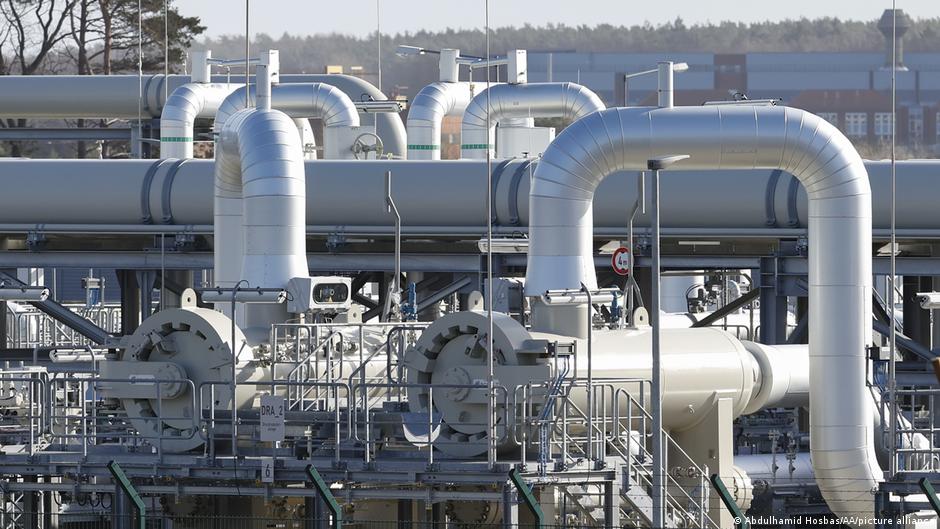
Germany is set to transfer a gas-fired thermal power plant that previously served the Nord Stream gas pipeline to Ukraine. The move, announced by the German energy company Sefe Securing Energy for Europe (formerly a Gazprom subsidiary), reflects strategic shifts in energy assets amid geopolitical tensions and supply disruptions.
Background and Strategic Context
The power station, located in Lubmin near Greifswald and owned by Industriekraftwerk Greifswald GmbH (IKG), was primarily used to generate technological heat required for the operation of the Nord Stream pipeline connecting Russian gas supplies to Germany's gas transport network. The facility has a combined heat and power capacity of 84 MW.
Following Russia's decision in the summer of 2022 to curtail and ultimately halt gas deliveries via the Nord Stream pipeline, the plant's operational viability deteriorated significantly. The pipeline itself, along with the never-activated Nord Stream 2, suffered substantial damage from explosions amid the ongoing conflict in Ukraine. Germany has since committed to ceasing imports of Russian gas, reshaping the energy supply landscape in Europe.
With no alternative consumers for the plant's thermal output, the facility was fully shut down in 2023. Attempts to find a buyer for the power station were unsuccessful, leading Sefe to pursue an alternative solution in line with humanitarian support for Ukraine.
"This decision is economically rational for Sefe, allowing the company to avoid costs related to dismantling or disposal, while simultaneously supporting Ukraine's energy infrastructure," said company representatives.
Corporate Strategy and Implications
The transfer of the power plant to Ukrainian operators on a self-pickup basis represents a notable case of asset reallocation driven by geopolitical disruption and shifting energy policies. Sefe, as the majority owner of IKG, circumvents the financial burden of decommissioning while reinforcing corporate social responsibility under the humanitarian aid framework.
For Ukraine, acquiring the power station could bolster the resilience of its energy infrastructure during a period of heightened demand and vulnerability caused by the ongoing conflict. The plant’s integrated heat and power capabilities may provide critical local energy generation capacity.
This transaction underscores how energy companies are adapting asset management strategies in response to the war in Ukraine and the broader European energy transition. It also reflects the complexities of operating and repurposing infrastructure initially designed for Russian gas imports amid a rapidly evolving geopolitical landscape.
Overall, the handover illustrates a pragmatic approach balancing economic efficiency and humanitarian objectives, while signaling a shift in the competitive and operational dynamics of the European gas and power sector.