Former Ukrainian Defense Minister Calls for Elections Amid Ongoing War, Urges Legal and Safe Mechanism
Mikhail Fedorov emphasizes the importance of democratic processes and warns against loyalty-based appointments in Ukraine's government during wartime.
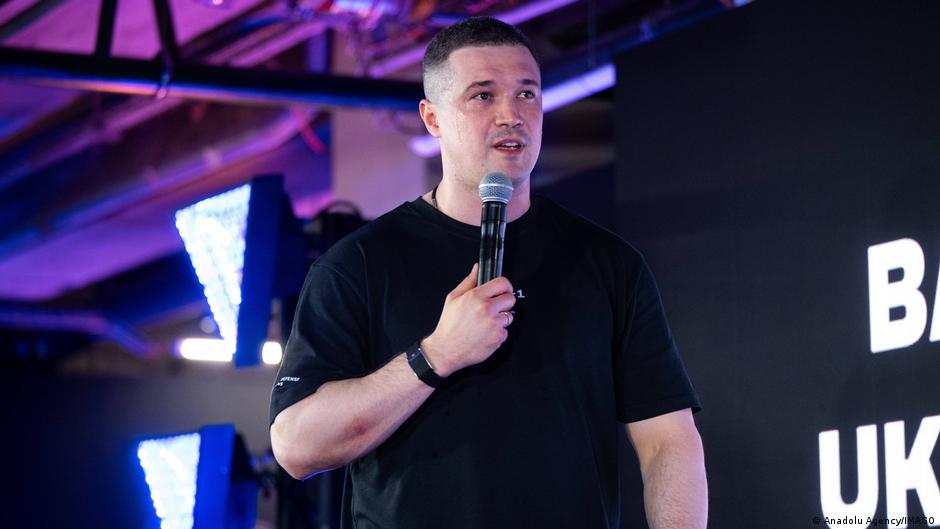
Former Ukrainian Defense Minister Mikhail Fedorov has called for the holding of elections in Ukraine despite the ongoing war, stressing the necessity of finding a legal, safe, and realistic mechanism to enable this fundamental democratic process.
In a video message posted on his YouTube channel on August 18, Fedorov highlighted the urgency of maintaining democratic legitimacy even amid prolonged conflict. "If the war continues for another year, two, or three, can Russia effectively determine when Ukrainians can again choose their government? I am convinced that it cannot. Democracy cannot be held hostage by Russia," he stated.
Challenges and Strategic Considerations for Election Implementation
Fedorov acknowledged the substantial difficulties involved in resuming full democratic elections in wartime conditions. Critical challenges include ensuring voting rights for military personnel actively engaged in combat, Ukrainians living abroad, and residents in frontline regions. Additionally, he emphasized the imperative of preserving the independence of electoral institutions and fostering public trust in election outcomes.
"Complexity does not mean impossibility. Ukraine has already accomplished what the world once deemed impossible," Fedorov remarked, underscoring the country's resilience and adaptability.
His call underscores the broader strategic challenge facing Ukraine’s leadership in balancing national security with democratic governance. The suggestion to develop a secure and lawful electoral framework seeks to preempt potential erosion of legitimacy or governance paralysis.
Concerns Over Appointment Criteria and Governance Integrity
Beyond electoral logistics, Fedorov voiced significant concern over the current criteria used for government appointments. He cautioned against prioritizing personal loyalty over professional competence and measurable results, highlighting the risks such an approach poses to effective governance and reform momentum.
"I find it especially dangerous when society perceives that the main criterion for appointment is not professionalism, results, or ability to transform the country, but personal loyalty to the system," he remarked.
Context: Resignation and Public Reaction
Mikhail Fedorov announced his resignation as Defense Minister on July 15, citing disagreements with the Commander-in-Chief of the Armed Forces of Ukraine, Alexander Syrsky, among other reasons. His departure triggered public protests in several Ukrainian cities, with demonstrators expressing discontent at President Volodymyr Zelensky’s decision and praising Fedorov's tenure.
Protest participants described Fedorov as one of the most effective defense ministers in recent years, crediting him with modernization and reform efforts within the Armed Forces of Ukraine (AFU). The demonstrations reflect broad public concern about the future direction of Ukraine’s defense policy and governance during a critical phase of the conflict.
Fedorov’s statements and the ensuing public response highlight the intersection of military strategy, political governance, and democratic legitimacy in Ukraine as it seeks to navigate wartime conditions while safeguarding institutional integrity.