EU Leaders Strategize Potential Negotiations with Russia Amid Complex Geopolitical Landscape
European Council President António Costa coordinates EU’s approach to possible talks with Russia, assessing readiness and strategic positioning.
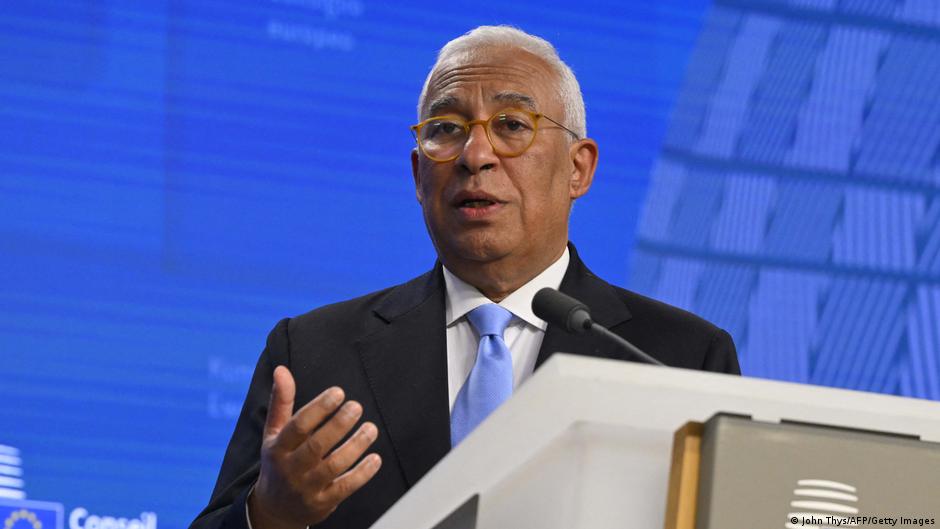
The European Union is actively preparing for the possibility of renewed negotiations with Russia, signaling a cautious yet strategic approach to a highly complex geopolitical situation. European Council President António Costa has confirmed ongoing discussions with leaders of all 27 EU member states to shape a unified stance and to identify the key issues that would underpin potential talks with Moscow.
Strategic Coordination Among EU Member States
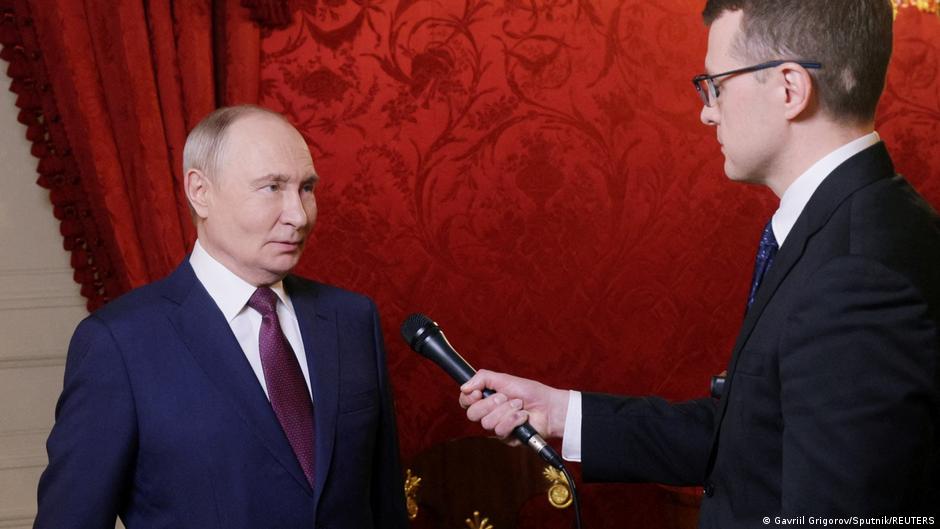
Speaking at the European University Institute in Florence, Costa emphasized the importance of cohesive EU organization ahead of any dialogue with Russia. He acknowledged the existence of a negotiation potential with Russian President Vladimir Putin but highlighted the absence of clear signs from Moscow indicating readiness for effective and serious discussions.
"There is potential for negotiations with Putin, but so far no one has seen any readiness from Russia to engage in meaningful talks," Costa said.
Importantly, Costa reaffirmed that the EU does not intend to obstruct ongoing negotiations led by the United States, underscoring a collaborative, rather than competitive, approach among Western allies. This stance reflects a broader EU strategy of balancing its geopolitical interests and maintaining unity within a transatlantic framework.
Context and Challenges in Engaging Russia
The last substantial dialogue between EU representatives and Russia occurred in early February 2026, when French presidential advisors visited Moscow proposing EU involvement in peace talks concerning the Ukraine conflict. These overtures were ultimately rejected by the Kremlin, with reports indicating Moscow’s conditional openness to dialogue dependent on reciprocal willingness from the EU side.
Sources close to the negotiations described Putin's position as constructive but cautious, emphasizing that any engagement must be mutual. Further complicating matters, reports emerged in March of a dismissive and profane rebuttal from Putin’s aide Yuri Ushakov toward French proposals, illustrating the interpersonal and diplomatic difficulties faced by European negotiators.
Russian Presidential spokesman Dmitry Peskov noted that the French delegation "brought no positive signals," justifying the Kremlin's lack of a constructive response. This development illustrates the significant diplomatic hurdles the EU confronts in achieving a breakthrough with Russia.
Impact of Regional Conflicts on EU-Russia Dialogue
The geopolitical focus has been further complicated by escalating conflicts in the Middle East. The US special envoy, Stephen Utkoff, is scheduled to meet with Ukraine’s National Security and Defense Council Secretary Rustem Umerov in Miami, marking an important transatlantic dialogue after recent conflicts involving the US and Israel against Iran.
This emergent military tension has redirected US and allied diplomatic efforts away from Ukraine peace negotiations toward managing the Middle Eastern crisis. As a result, planned trilateral talks involving Russia, the US, and Ukraine have been postponed indefinitely, highlighting how overlapping conflicts disrupt diplomatic progress on multiple fronts.
Prospects for a Peace Agreement Between Russia and Ukraine
Despite these challenges, Ukrainian negotiators remain cautiously optimistic. Kirill Budanov, head of Ukraine’s presidential office delegation, suggests that Moscow and Kyiv are moving closer to a peace agreement. He noted that while both parties have maintained maximalist positions in past talks, there is a growing willingness to compromise.
This tentative progress underscores the EU’s interest in positioning itself as a leader in facilitating peace talks, potentially offering a unified European voice under the EU’s aegis to complement US-led initiatives. President Zelensky’s call for greater EU coordination and readiness to contribute positively to negotiations reflects Kyiv’s strategic desire for a strong European role.
Implications for Corporate and Economic Landscapes
From a business perspective, the potential for renewed EU-Russia dialogue carries significant implications. Stability and clarity in geopolitical relations are critical for planning and investment decisions, especially for industries exposed to sanctions, energy supply disruptions, and trade uncertainties. EU companies, particularly in energy and manufacturing sectors, will be closely monitoring these developments.
Moreover, the EU’s strategic positioning—balancing assertive sanctions with openness to dialogue—reflects a nuanced management approach aimed at maintaining economic resilience while navigating geopolitical risks. The evolving diplomatic landscape may influence M&A activity, cross-border partnerships, and supply chain strategies within and beyond the European market.
As EU leaders continue to coordinate their approach, the intersection of diplomacy and economic policy will remain a critical area for corporate strategists, investors, and policymakers seeking to anticipate shifts in the competitive and regulatory environment.