Ukraine and Russia Conduct Troop Rotations Amid May 9 Ceasefire, Both Prepare for Further Conflict
Both Ukrainian and Russian forces use the May 9 ceasefire to reorganize troops and strengthen positions despite ongoing tensions.
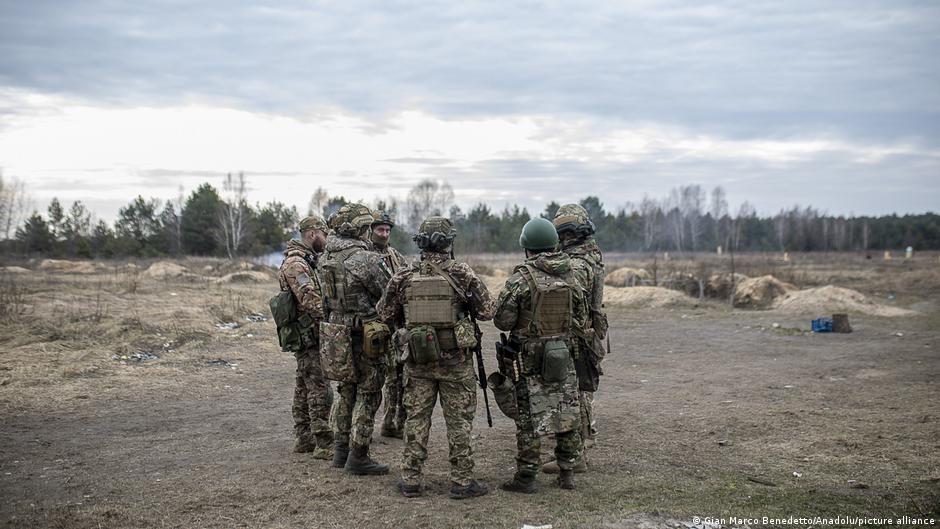
On May 9, both Russian and Ukrainian military forces took advantage of a temporary ceasefire to conduct troop rotations and logistical preparations, signaling ongoing strategic maneuvering amid fragile peace efforts.
Strategic Pause for Troop Rotation and Offensive Preparation
The Russian military reportedly paused active combat operations to rotate troops and bolster offensive capabilities during the three-day ceasefire initiated on May 9. Ukrainian military spokesperson Viktor Tregubov noted during a televised broadcast that while the Russian forces had quieted, their intent was to use the pause strategically to resupply and prepare for renewed offensives.
"They are currently silent. As of today, they are indeed trying to take a pause and use this break for rotation, resupply, and to restore their offensive capabilities," Tregubov stated.
Simultaneously, Ukrainian forces are also utilizing this ceasefire period to improve logistics and conduct their own troop rotations, aiming to strengthen their defensive posture as uncertainty looms over the conflict's trajectory.
Ceasefire Agreement and Prisoner Exchange Efforts
The ceasefire was brokered through an announcement by then U.S. President Donald Trump on the evening of May 8, who claimed the idea originated from him. The agreement called for a cessation of hostilities from May 9 to May 11 and proposed an exchange of prisoners on a "1000 for 1000" basis.
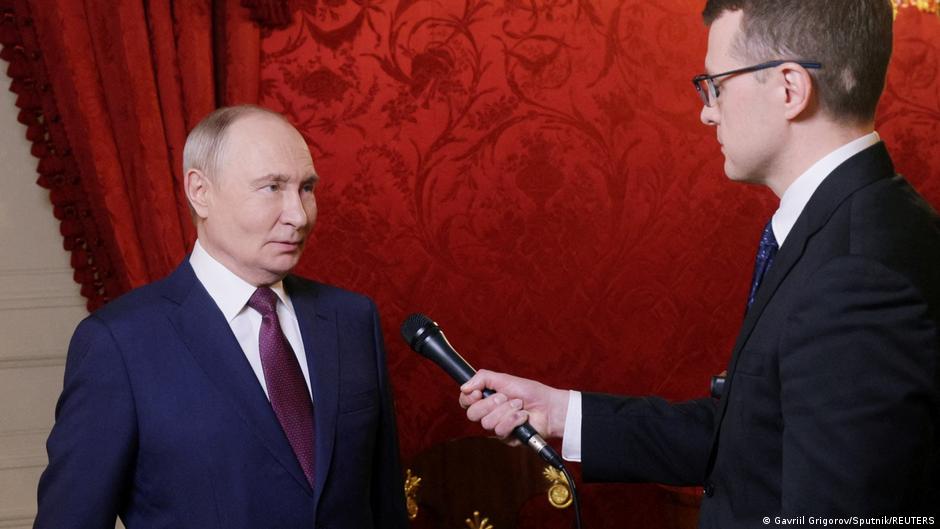
However, Russian President Vladimir Putin expressed skepticism regarding the feasibility of the prisoner exchange, accusing Ukrainian authorities of being unprepared. He stated that Russia had sent Kyiv a list of 500 Ukrainian servicemen to be exchanged, but Ukraine responded that it was not ready to proceed.
Russian Presidential aide Yuri Ushakov later indicated that prisoner lists were still being finalized and that physical exchanges could only begin once real individuals were verified and agreements reached. Notably, Ushakov also implied that hostilities would resume after May 11.
Continued Hostilities Despite Ceasefire
Despite the declared truce, both sides reported ongoing attacks. The Russian Ministry of Defense accused Ukrainian forces of drone strikes and attempts to assault Russian positions in occupied Ukrainian territories. Conversely, the Ukrainian General Staff reported that Russian troops launched 121 attacks between midnight and 10 pm on May 9, targeting border areas in Sumy Oblast, including settlements such as Rogoznoe, Volfino, Korenek, Atinskoe, Ulanovo, and Kucherovka.
The Ukrainian military also highlighted that Russian forces had conducted attacks on May 8 despite Russia's unilateral ceasefire declaration.
Business and Strategic Implications
This temporary ceasefire and troop rotation phase underscore both countries' strategic use of pauses in conflict to recalibrate military capabilities and logistics. For corporate and geopolitical analysts, these developments illustrate the persistent volatility in the region, which continues to affect energy markets, regional security investments, and multinational operations with exposure to Eastern Europe.
Understanding the evolving military posture during ceasefires is crucial for investors and corporate strategists assessing risk and planning operations amid ongoing conflict. The incomplete prisoner exchanges and continued skirmishes suggest a protracted conflict, underscoring the need for continual monitoring of military and political developments.