Latvian Defense Minister Resigns Following Drone Airspace Breach Incident
Minister Andris Spruds steps down amid fallout from drones entering Latvian airspace, raising questions about military oversight and regional security.
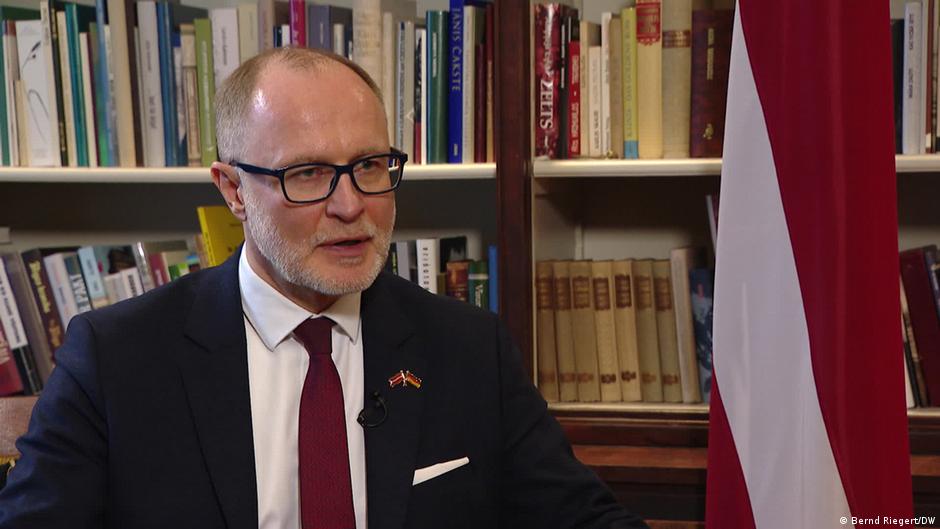
Latvia's Defense Minister Andris Spruds has resigned in the wake of a significant security incident involving two drones that violated Latvian airspace. The drones, reportedly of Ukrainian origin, stray from their intended route while targeting Russian infrastructure, causing a diplomatic and military stir in the Baltic state.
Incident Overview and Political Repercussions
On the night of May 7, two unmanned aerial vehicles entered Latvia's airspace near the Russian border. One of these drones crashed within the premises of a petroleum refinery in Rezekne, raising immediate concerns about the country's air defense readiness. The drones are presumed to have been launched by Ukraine in the context of its ongoing military operations against Russian targets.
"I have decided to resign to protect the Latvian armed forces from becoming embroiled in political campaigns," Spruds stated, emphasizing that "foreign drones must not threaten civilian safety."
Prime Minister Evika Siliņa publicly expressed a loss of confidence in Spruds, demanding his resignation after citing failures in the military's ability to secure Latvia’s airspace. She highlighted that recent drone incursions exposed shortcomings in the armed forces’ commitment to maintaining national airspace security.
Strategic Implications and Regional Security Concerns
The incident underscores significant challenges for Latvia in balancing its support for Ukraine's defense efforts with maintaining its own national security and airspace integrity. Ukraine, now in its fifth year of resistance against full-scale Russian aggression, routinely conducts strikes against Russian military and energy infrastructure. However, the collateral effects of these operations, such as drone misnavigation into neighboring states, complicate regional security dynamics.
Latvia’s experience is not isolated; previous Ukrainian drone missions have similarly violated airspace over Finland and other Baltic nations, prompting calls for more rigorous drone control and airspace management.
Estonian Defense Minister Hanno Pevkur has urged Ukraine to enhance its drone operational controls to prevent such breaches from recurring, reflecting broader concerns within NATO and neighboring states about the strategic management of unmanned aerial systems in ongoing conflicts.
Management and Military Oversight Challenges
Minister Spruds’ resignation reveals the political sensitivity surrounding military oversight and accountability in Latvia. His departure points to internal pressures within the Latvian government to reinforce air defense measures and reconsider strategic protocols for managing foreign military operations in proximate airspace.
Scrutiny is expected to intensify on how Latvia’s defense establishment monitors and responds to incursions, especially given the increasingly complex security environment in Eastern Europe caused by the Russian-Ukrainian war.
The ongoing investigation into the drone incident aims to clarify the operational failures that led to the breach and to establish protocols that can prevent future occurrences.