Hungarian PM Orbán Declines Parliamentary Seat Amid Party Leadership Shift
Viktor Orbán steps back from parliamentary role to focus on reorganizing Fidesz after electoral defeat, while maintaining party chairmanship.
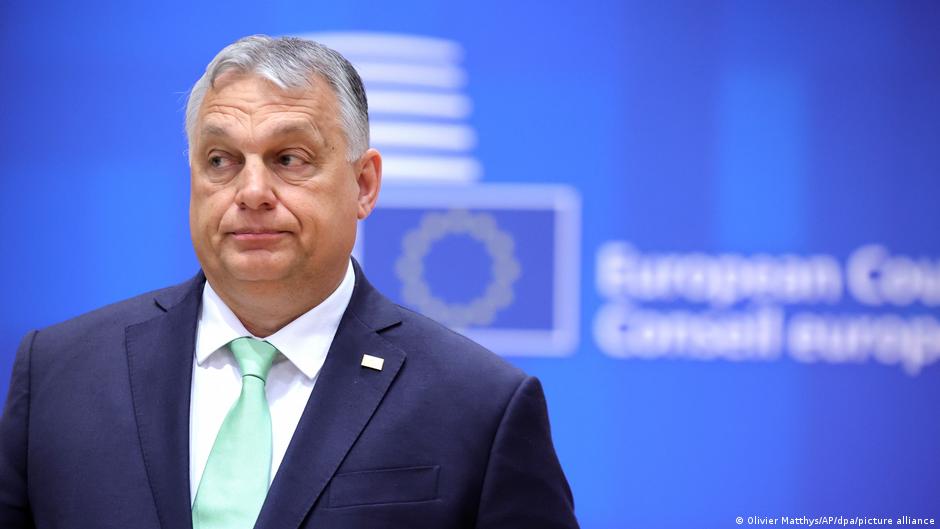
Viktor Orbán, the outgoing Prime Minister of Hungary, has announced his decision to forgo his parliamentary mandate following his party Fidesz’s defeat in the recent elections. This move marks a significant shift in the party’s internal power dynamics as it prepares for a new phase under different parliamentary leadership.
Strategic Withdrawal and Internal Reorganization
Orbán stated that the mandate he received as the lead candidate for the Fidesz-Christian Democratic People's Party (KDNP) coalition effectively represents the party’s mandate. Consequently, he chose to relinquish his seat in the new parliamentary session, emphasizing that his focus will now be on reorganizing the national movement rather than legislative work.
“The mandate I received as the main candidate of the Fidesz coalition is effectively a Fidesz mandate. I have therefore decided to relinquish it. Right now, I am needed not in Parliament, but to reorganize the national movement,” Orbán declared on his social media platforms.
In place of Orbán, the Fidesz-KDNP parliamentary faction will be led by Gergely Gulyás, who previously headed the Prime Minister’s Office. Despite stepping down from Parliament, Orbán expressed his intent to remain the party chairman, with this matter scheduled for discussion at the party congress in June.
Transition of Power and Policy Reversals
The victorious party in the parliamentary elections, Tisza, led by Péter Magyar, is scheduled to officially assume government leadership on May 9. Magyar has signaled intentions to reverse several policies enacted during Orbán’s tenure, signaling a potential shift in Hungary’s domestic and foreign policy orientation.
One notable policy reversal includes halting Hungary’s withdrawal from the International Criminal Court (ICC). Orbán initiated the withdrawal following a controversial visit from Israeli Prime Minister Benjamin Netanyahu, amid an ICC arrest warrant issued for Netanyahu in 2024. Despite the warrant, Orbán maintained a close relationship with Netanyahu and allowed the visit, stating Hungary would disregard the ICC’s order and exit the organization. Magyar has committed to stopping this withdrawal process.
Additionally, Magyar has pledged to cease blocking the European Union’s €90 billion credit allocation to Ukraine, as well as sanctions against Russia. Reports indicate that Budapest approved the loan after Ukraine resumed oil transit to Hungary via the "Druzhba" pipeline. However, Magyar clarified that Hungary would not directly participate in financing Ukraine.
Geopolitical Implications and Russia Relations
Orbán has been known for his amicable ties with Russian President Vladimir Putin and continued visits to Moscow following Russia’s full-scale invasion of Ukraine. Prior to the election, media outlets reported that Russia dispatched political consultants to assist Orbán in narrowing the gap in polls against Magyar and the Tisza party, a strategy that ultimately failed.
Following Magyar’s victory, Kremlin spokesperson Dmitry Peskov stated that Russia would withhold congratulatory messages, labeling Hungary a "non-friendly country." Nevertheless, Peskov expressed hope for the continuation of "highly pragmatic contacts" with Hungary’s incoming government. Magyar himself has advocated for maintaining diplomatic and economic ties with Russia.
This transition highlights a critical juncture for Fidesz and Hungarian politics. Orbán’s withdrawal from Parliament, while retaining party leadership, suggests a strategic repositioning aimed at national movement revitalization rather than legislative confrontation. Meanwhile, Magyar’s approach indicates a recalibration of Hungary’s international alliances and domestic priorities, which will affect both regional geopolitics and European Union dynamics.