Armed Group Attacks in DR Congo Highlight Complex Security and Economic Challenges in Ituri Region
Recent insurgent clashes in northeastern DR Congo's Ituri province underscore ongoing conflicts over resources and ethnic rivalries impacting regional stability and corporate interests.
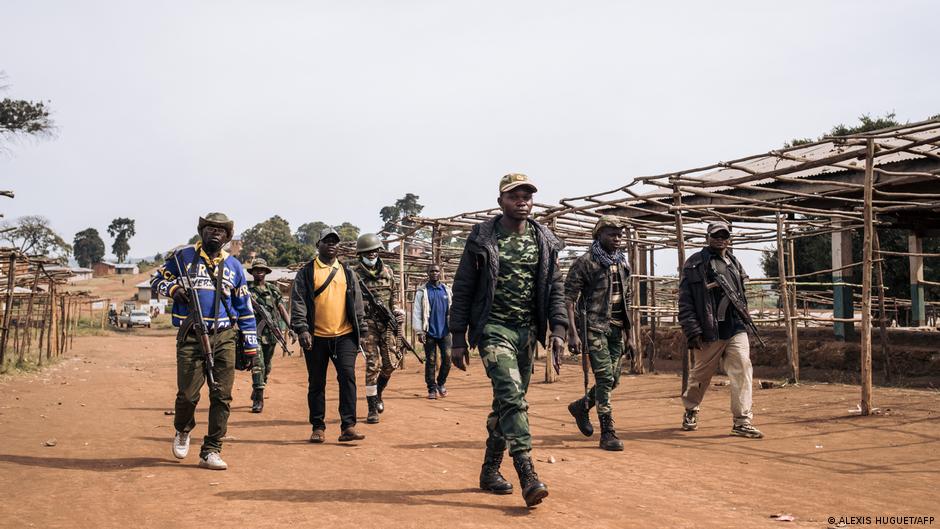
In late April, northeastern Democratic Republic of Congo's (DRC) Ituri province witnessed violent attacks by two armed rebel groups resulting in at least 69 deaths, including 19 insurgents, according to security sources. These incidents expose persistent security vulnerabilities in the resource-rich region, with significant implications for local governance and business operations.
Ethnic and Economic Dimensions of the Conflict
The attacks were carried out by armed factions linked to competing ethnic groups vying for control and influence. The Convention for the Popular Revolution (CRP), associated with the Hema ethnic community, targeted a unit of the DRC's national army (FARDC). In retaliation, the Cooperative for the Development of Congo (CODECO), representing Lendu interests, launched assaults on several villages.
CODECO's transformation from a formerly significant agricultural cooperative into an armed group numbering several thousand fighters highlights the fusion of local socio-economic grievances with militarized agendas. The group is regarded as one of the most brutal in the area, frequently engaging in violent actions to assert territorial and resource claims.
"The persistence of CODECO's armed presence complicates recovery efforts and prolongs instability in the gold-rich Ituri province," a security insider remarked.
Ituri's wealth in gold and other minerals makes it a strategic zone where armed groups compete not only for ethnic dominance but also for control over lucrative extractive assets, complicating the security landscape and deterring investment.
Leadership Dynamics and Strategic Implications
The CRP was founded by Thomas Lubanga, a former Congolese warlord who led the Union of Congolese Patriots in the early 2000s. Lubanga was the first individual convicted by the International Criminal Court (ICC) for war crimes, serving a 14-year sentence before his release in 2020. Since then, he has pursued political ambitions in Ituri while reviving armed group activities under the premise that the government is neglecting to address CODECO’s violent acts.
Lubanga's dual role as a political actor and militia leader reflects the blurred lines between governance and insurgency in the region, challenging efforts to stabilize Ituri and curtail militia influence.
Additionally, the March 23 Movement (M23), representing the Tutsi minority and backed by Rwandan military support, remains a dominant armed faction controlling significant territory, including Goma, eastern DRC’s largest city. Their role illustrates the cross-border dimensions of conflict, further complicating the political and security environment.
Business and Governance Challenges
DR Congo’s enduring armed conflicts, ongoing for over three decades since the 1994 Rwandan genocide, continue to generate humanitarian crises and disrupt economic activities. With over seven million internally displaced persons, the conflict-ridden landscape presents formidable challenges for corporations aiming to invest or operate in the mining and agricultural sectors.
Security instability undermines supply chains, inflates operational risks, and necessitates stringent risk management strategies for businesses engaging in Ituri and wider eastern DRC.
As one analyst notes, "Understanding the intertwined ethnic, political, and economic factors is critical for any entity looking to navigate the complex Ituri market environment."
Efforts to negotiate peace and strengthen governance institutions are essential to reducing militia influence and fostering a more predictable business climate. However, the persistence of armed groups like CODECO and CRP indicates that durable solutions remain elusive without addressing root causes of ethnic tension and resource competition.